
Creating a home office that feels cozy and keeps you productive can transform your work-from-home experience. Whether you’re working full-time remotely or occasionally tackling tasks from home, having a space that combines comfort with functionality is key.
In this post, we’ll explore practical tips to help you design a home office that supports your focus while making you feel relaxed and inspired. Let’s dive in!
1. Choose the Right Location
The first step in setting up your home office is picking the best spot. Ideally, select a quiet area away from high-traffic zones in your house to avoid distractions. Natural light is a big bonus—it can boost your mood and energy levels.
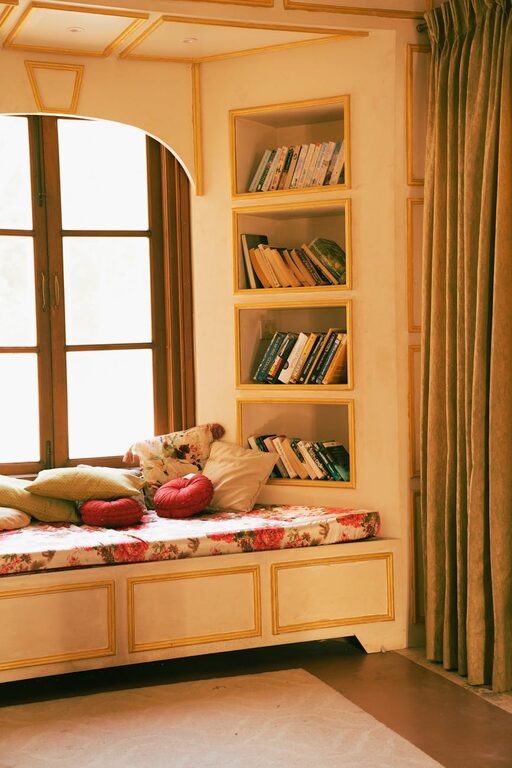
If space is limited, even a small nook or corner can serve as your office zone. Just make sure it has enough room for your essential equipment and allows you to sit comfortably.
2. Invest in a Comfortable Chair and Desk
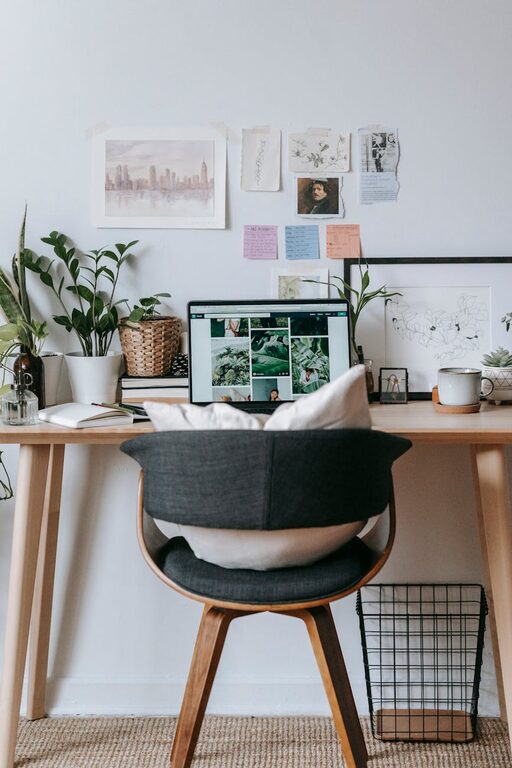
Comfort plays a huge role in productivity. An ergonomic chair that supports your back and allows you to sit with good posture is worth the investment. Similarly, choose a desk at the right height that fits your space.
Adjustable desks or those with ample surface area can help keep your workspace organized, giving you enough room for your computer, notebooks, and any other tools you use daily.
3. Optimize Lighting
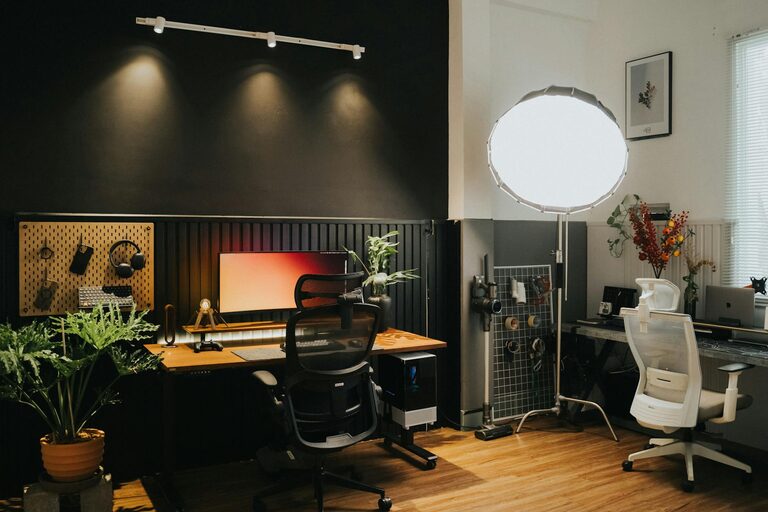
Good lighting is crucial for reducing eye strain and staying alert. If natural light isn’t sufficient or available, supplement with soft, warm LED lamps. Position your desk near a window, if possible, but avoid glare on your computer screen.
Also, consider task lighting, like a desk lamp, to shine light directly on your work area during evening hours.
4. Personalize Your Space
A cozy office reflects your personality and makes spending time there more enjoyable. Add a few personal touches such as photos, plants, or artwork. Greenery, for example, can improve air quality and create a calming atmosphere.
Choose colors that make you feel relaxed but focused—soft blues, greens, or neutrals are popular choices. Avoid overly bright or distracting decor.
5. Keep It Organized
Clutter can interfere with concentration. Use organizers like shelves, drawers, or desk trays to keep supplies and papers neatly arranged. Label storage containers so you can find things quickly and maintain order.
Regularly tidying your workspace at the end of the day helps maintain a clean environment that’s ready for the next work session.
6. Manage Cables and Technology
Messy cables can make a workspace look chaotic. Use cable organizers, clips, or sleeves to keep wires under control. Position your devices—computer, printer, chargers—in a way that’s easy to access but doesn’t clutter your desk.
Additionally, invest in a reliable internet connection and accessories like headphones for calls to minimize interruptions.
7. Incorporate Break Areas
If space allows, create a small area within your home office to step away from your desk. This could be a cozy chair for reading or a small table for a coffee break. Taking short breaks away from your computer screen helps improve focus and reduce fatigue.
8. Set Boundaries
Part of making your home office productive is setting clear limits for work time and personal time. Use visual cues like closing the office door or operating during set hours to help maintain focus and avoid working around the clock.
Communicating your work schedule to household members can help minimize interruptions.
9. Use Soothing Sounds
Some people find a quiet environment ideal, while others prefer background sounds to maintain concentration. Consider soft instrumental music, nature sounds, or white noise to create an atmosphere that suits your work style.
There are many apps and websites that offer customizable sound options for home offices.
10. Keep Fresh Air Flowing
Good ventilation is often overlooked but crucial for comfort and alertness. Open windows when possible or use a small fan or air purifier to keep fresh air circulating.
This can also help reduce stuffiness and allergens that might affect your energy.
—
Final Thoughts
Designing a home office that feels cozy and supports productivity is all about balancing comfort with function. By choosing the right location, investing in good furniture, managing lighting and organization, and adding personal touches, you can create a space that helps you work efficiently while feeling at ease.
Take your time setting up your office and adjust it as needed. A well-designed workspace can lead to better focus, less stress, and a more enjoyable work-from-home routine. Happy decorating!
About the Author