Creating a relaxing home office environment is essential for maintaining focus and reducing stress during your workday. Whether you’re working remotely full-time or occasionally, a peaceful workspace can make a significant difference in your productivity and overall well-being. In this post, we’ll explore practical tips to transform your home office into a calm and inviting space.
Choose the Right Location
Selecting a suitable spot for your home office is the first step toward creating a relaxing environment. Ideally, choose a quiet area with minimal distractions. If possible, pick a room separate from high-traffic zones like the kitchen or living room. A dedicated space helps signal to your brain that it’s time to work, supporting concentration and better boundaries between work and personal life.
Consider Natural Light
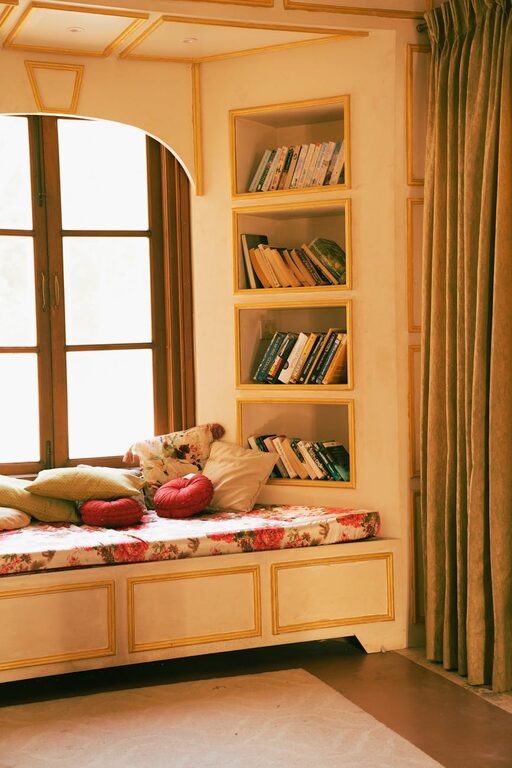
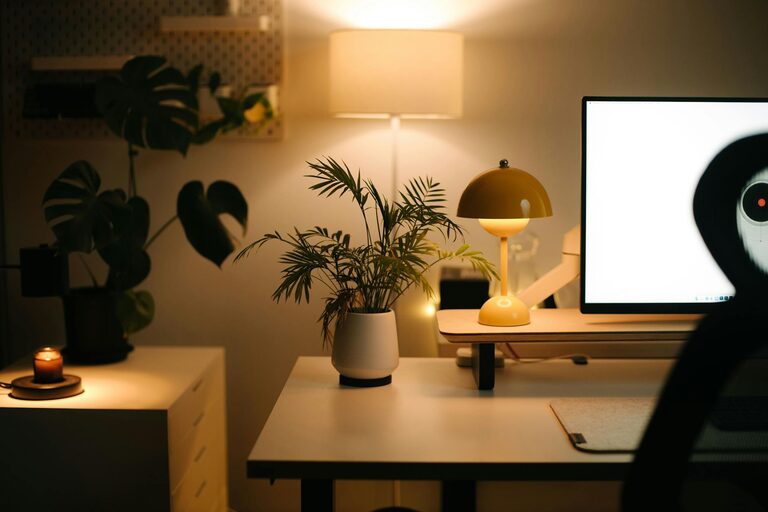
Natural light boosts mood and energy levels, so position your desk near a window if possible. This allows you to enjoy daylight and fresh air, which can contribute to a calmer and more pleasant workspace. If natural light is limited, invest in quality lighting options that mimic daylight to keep the space bright and welcoming.
Invest in Comfortable Furniture
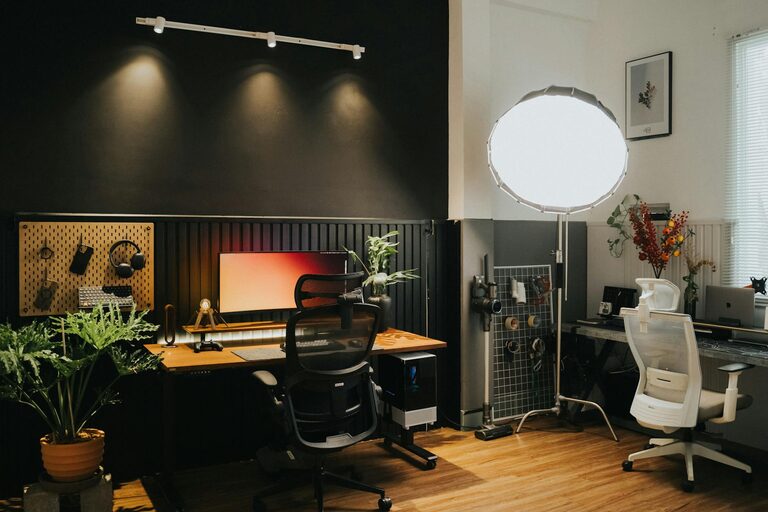
Your comfort matters, especially if you spend long hours working at home. A good-quality chair that supports your posture is an essential investment. Look for ergonomic features like adjustable height, lumbar support, and comfortable cushioning to avoid aches and pains.
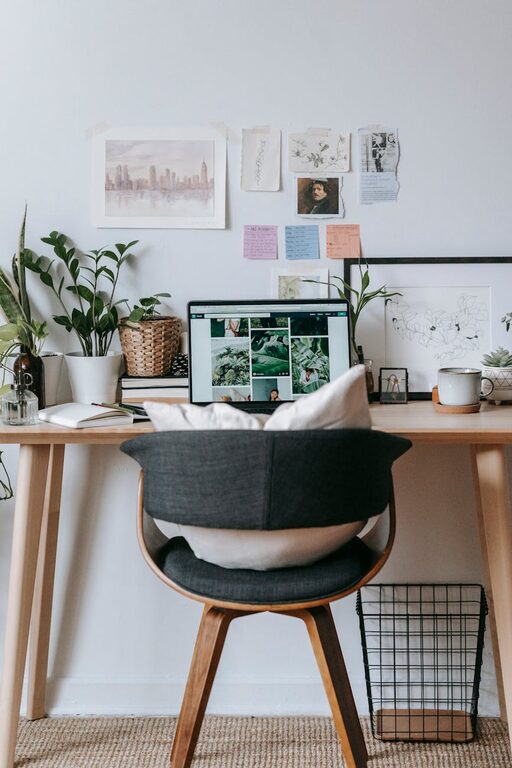
Pair your chair with a desk that fits your space and work style. Make sure there’s enough room for your computer, notebook, and other essentials without feeling cramped. A cluttered desk often leads to a cluttered mind, so aim for a workspace that feels open and organized.
Personalize Your Workspace
Personal touches make a workspace feel more inviting and enjoyable. Consider adding items that make you happy or inspire creativity—such as plants, artwork, or photos of loved ones. Plants in particular can improve air quality and add a refreshing element to your office.
However, keep personalization balanced. Too many items can create distractions. Aim for a few meaningful decorations that enhance your mood without crowding your desk.
Keep It Organized
Organization plays a crucial role in a relaxing home office. Mess and clutter can increase stress and make it harder to find what you need. Use storage solutions like shelves, baskets, or drawer organizers to keep your supplies tidy.
At the end of each day, take a few minutes to tidy your desk. This simple habit will help you start the next workday with a clear mind and workspace.
Control Noise Levels
Noise can directly impact your ability to focus. If you live in a noisy environment, consider ways to reduce distractions. Noise-cancelling headphones are a popular choice and allow you to listen to calming music or white noise.
Alternatively, use a white noise machine or apps that create soothing background sounds, such as rainfall or gentle ocean waves. These sounds can mask distracting noises and help create a peaceful atmosphere.
Mind Your Color Scheme
Colors influence mood and energy. Choose calming shades like soft blues, greens, or neutrals to welcome relaxation and focus. Avoid overly bright or intense colors that might cause overstimulation.
If you want to add a pop of color, consider accents like a colorful chair cushion, a rug, or wall art. These small touches can raise your spirits without overwhelming the space.
Incorporate Movement Breaks
While not part of the setup itself, planning movement breaks throughout your day is important for both mental and physical well-being. Stretching, standing up, or walking briefly helps reduce tension and refresh your mind.
Set reminders to take short breaks every hour. This routine supports better posture and maintains your focus during work periods.
Maintain Proper Ventilation and Temperature
A comfortable temperature and fresh air contribute significantly to a relaxing work environment. If your office room feels stuffy, open a window regularly or use an air purifier to improve air quality.
Adjust heating or cooling as needed so the room stays at a comfortable temperature. When you’re neither too hot nor too cold, it’s easier to concentrate.
Use Scents Wisely
Certain scents can enhance relaxation and focus. Essential oils like lavender, eucalyptus, or peppermint are known for their calming and refreshing properties. Use a diffuser to gently disperse scents in your home office.
Be cautious not to overdo it—strong smells can be distracting rather than helpful. A subtle fragrance is the key.
—
Creating a relaxing home office doesn’t require a major renovation. By making thoughtful choices about lighting, furniture, noise control, and personal touches, you can build a workspace that supports both peace and productivity. Remember that small changes can make a big impact on your workday comfort and focus. Start with one or two of these tips, and gradually design a home office that feels truly welcoming and calm.
About the Author