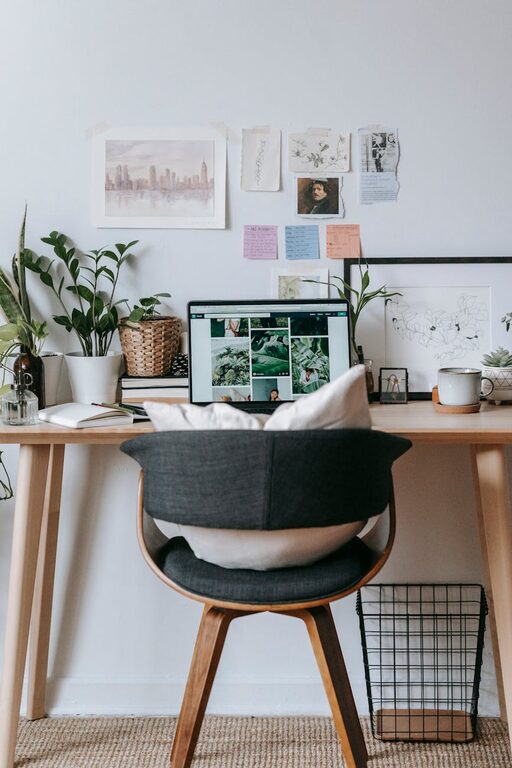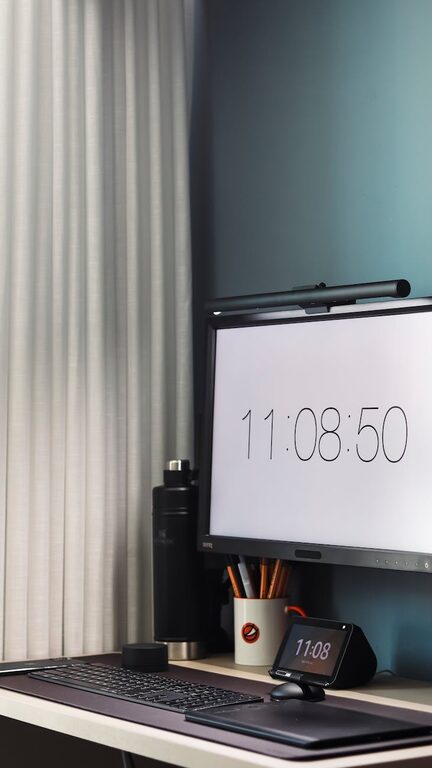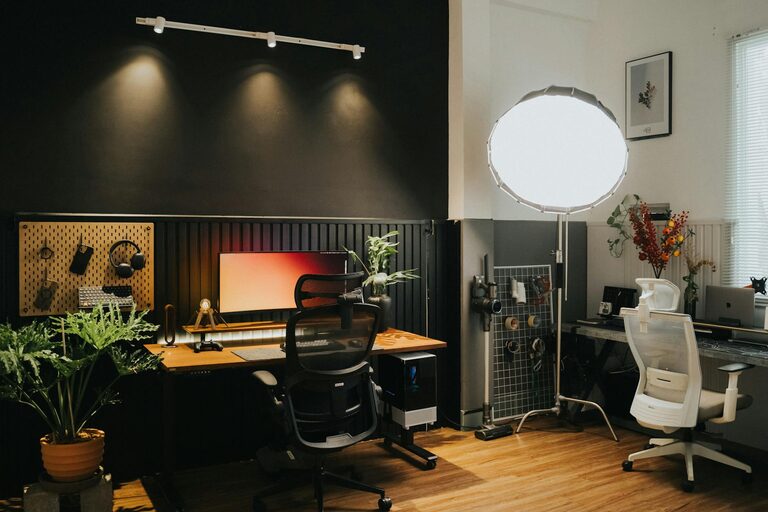

Creating a productive home office environment is essential for anyone working remotely or running a business from home. With the right setup, you can enhance your focus, reduce stress, and maintain a healthy work-life balance. In this post, we’ll explore practical tips to help you design a home office that promotes productivity and comfort.
Choose the Right Location
Selecting the best spot for your home office is the first step toward creating a productive workspace. Consider the following when deciding where to work:
– Quiet Area: Choose a space away from noise and distractions, such as a spare room or a corner in a less trafficked area.
– Natural Light: Position your desk near a window to benefit from natural light, which can improve mood and reduce eye strain.
– Ventilation: Ensure good air circulation to keep the room fresh and comfortable throughout the day.
Invest in Ergonomic Furniture
Comfort plays a key role in maintaining productivity. Ergonomic furniture supports your body, minimizes discomfort, and helps prevent long-term health issues.
– Chair: Use an adjustable chair with proper lumbar support to keep your back healthy.
– Desk: Select a desk with enough surface area for your computer, notes, and other supplies. Adjustable desks that allow standing or sitting can be beneficial.
– Monitor Position: Position your screen at eye level to avoid neck and shoulder strain.
Organize Your Workspace
A clutter-free workspace makes it easier to concentrate and find what you need quickly.
– Declutter: Remove unnecessary items from your desk and keep only essentials within reach.
– Storage Solutions: Use shelves, drawers, or filing cabinets to keep papers and supplies organized.
– Cable Management: Use clips or ties to manage cables and prevent tangling.
Personalize Your Space
Adding personal touches can make your home office a more inviting and motivating place.
– Decor: Choose calming colors or artwork that inspires you.
– Plants: Incorporate greenery to improve air quality and add life to the space.
– Lighting: Use desk lamps or ambient lighting to create a comfortable atmosphere, especially for working in the evenings.
Set Up Technology Efficiently
Having the right technology setup can save time and reduce frustration.
– Reliable Internet: Ensure a strong and stable internet connection for uninterrupted work.
– Equipment: Invest in quality peripherals like a keyboard, mouse, and headset.
– Backup Solutions: Use cloud storage or external drives to keep important files safe.
Establish Boundaries and Routine
Creating clear boundaries between work and personal life helps maintain focus during work hours and relax after.
– Working Hours: Set specific start and end times to avoid overworking.
– Breaks: Take regular short breaks to stretch, move, and refresh your mind.
– Communication: Inform family or housemates about your schedule to minimize interruptions.
Maintain Good Posture and Health
Your physical well-being directly impacts your productivity.
– Stretching: Incorporate simple stretches or exercises during breaks.
– Hydration and Nutrition: Keep water and healthy snacks nearby to stay energized.
– Screen Time: Follow the 20-20-20 rule — every 20 minutes, look at something 20 feet away for 20 seconds to reduce eye strain.
Keep Improving Your Workspace
A productive home office isn’t a one-time project — it evolves as your needs change.
– Review: Periodically assess your setup to identify improvements.
– Feedback: If you share the space, discuss adjustments with others to maintain harmony.
– Learning: Stay open to new tools or practices that can enhance your work experience.
—
By thoughtfully designing your home office, you can create an environment that supports focus, efficiency, and well-being. Remember, the best workspace is one that suits your unique needs and helps you perform at your best every day.
About the Author