Creating a sustainable garden at home is not just for those with sprawling backyards. Even in small spaces—like balconies, patios, or tiny yards—you can grow a thriving, eco-friendly garden. With thoughtful planning and some smart choices, your small gardening project can provide fresh produce, beautify your space, and reduce your environmental footprint.
In this post, we’ll explore practical tips for designing and maintaining a sustainable home garden in limited areas.
Understanding Sustainability in Small Space Gardening
Sustainability in gardening means using practices that protect the environment, conserve resources, and promote healthy plant growth without harmful inputs. Key goals include:
– Minimizing water use
– Using organic or natural fertilizers
– Reducing waste and avoiding plastics
– Promoting biodiversity, including beneficial insects
– Recycling materials for garden containers and tools
These principles are applicable regardless of garden size. In fact, small space gardens often require extra care to maintain balance while maximizing productivity.
Choosing the Right Location and Containers
1. Assess Your Space and Light Conditions
Before planting, observe your space throughout the day to understand how much sunlight it receives. Most vegetables and herbs need at least 4-6 hours of direct sun. South- or west-facing balconies are ideal, but many leafy greens tolerate partial shade.
2. Use Vertical and Container Gardening
When ground space is limited, go vertical! Use trellises, wall planters, or hanging baskets to increase growing area without expanding your footprint. Containers come in many shapes and sizes—from recycled buckets to wooden crates—and help you control soil quality.
3. Select Sustainable Containers
Consider biodegradable pots, reclaimed wood boxes, or upcycled materials, which reduce plastic waste. Make sure that containers have proper drainage to prevent overwatering and root rot.
Selecting Plants for Small, Sustainable Gardens
1. Choose Native and Adapted Plants
Native plants are naturally suited to your local climate and soil, requiring less water, fertilizer, and pest control. For edible gardens, pick crops that thrive in your region’s conditions.
2. Grow High-Value, Space-Efficient Crops
Focus on plants that provide the best yield for the space used. Examples include:
– Leafy greens like spinach, kale, and lettuce
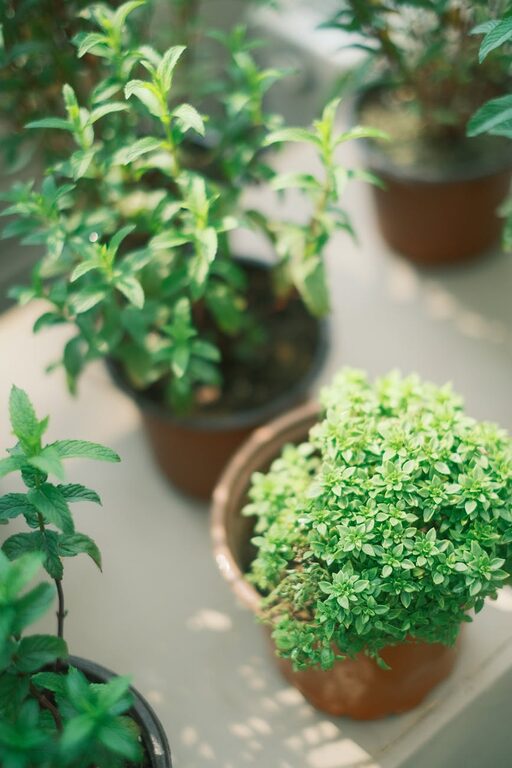
– Herbs such as basil, parsley, and thyme
– Compact vegetables like bush beans, dwarf tomatoes, and radishes
– Container-friendly fruits such as strawberries
3. Practice Crop Rotation and Companion Planting
Rotate crops each season to maintain soil health and reduce pest build-up. Companion planting pairs species that benefit each other, such as planting marigolds near tomatoes to repel pests naturally.
Soil and Water Management
1. Use Organic, Nutrient-Rich Soil
Invest in high-quality potting soil with organic matter. Mixing compost into your soil improves fertility and moisture retention, reducing the need for chemical fertilizers.
2. Collect and Reuse Water
Consider rainwater harvesting with barrels or buckets to reduce reliance on tap water. For watering, use a watering can or drip irrigation system to minimize waste.
3. Mulch to Retain Moisture
Apply natural mulch like straw, leaves, or wood chips on the soil surface inside containers. Mulching reduces evaporation and keeps weeds down.
Eco-Friendly Pest and Disease Control
1. Encourage Beneficial Insects
Invite pollinators and natural predators such as ladybugs or lacewings by planting flowers like calendula and nasturtiums nearby.
2. Use Natural Pest Deterrents
Create homemade sprays using ingredients like garlic, neem oil, or mild soap to deter pests without chemicals.
3. Monitor and Remove Problematic Pests Manually
Regularly check plants for signs of infestation and remove pests by hand if possible to avoid overuse of sprays.
Sustainability Tips for Maintenance
1. Compost Kitchen and Garden Waste
Composting turns organic waste into rich soil amendment. Even in small spaces, you can use worm bins or bokashi systems.
2. Reuse and Upcycle Garden Materials
Repurpose old containers, pallets, or jars for planting or garden storage. This practice reduces waste and adds creativity.
3. Plan for Year-Round Gardening
Plan crops to extend harvest periods; for example, sow fast-growing greens between slower vegetables or use cold frames to grow in cooler months.
Final Thoughts
A sustainable home garden in a small space is more than possible—it can be deeply rewarding and resourceful. By selecting the right plants, managing soil and water thoughtfully, embracing eco-friendly practices, and reusing materials, you create a mini-ecosystem that benefits both you and the environment.
Start with easy, low-maintenance steps today, and watch your small garden grow big in impact and joy!
About the Author